1. How painful is the tattoo process?
RTA.The level of pain varies depending on the area of the body and individual tolerance. Some areas are more sensitive than others.
2. How long does it take to get a tattoo?
RTA. Duration depends on the size and complexity of the design. It can range from minutes to several hour sessions.
3. How should I care for my tattoo after getting it done?
RTA. It is recommended to clean and apply a special cream during the healing phase, avoiding the sun and excessive water or sweating, avoiding irritating and spicy foods. Once the tattoo is done, Julian will send you a PDF with all the appropriate information on how you should take care of your tattoo.
4. How much does it cost to get a tattoo, is the value based on size or design?
RTA. The cost varies depending on the size, the complexity of the design and the sessions required to complete the work.
5. Is it necessary to touch up the tattoo over time?
RTA. If you follow the artist’s recommendations, the tattoo will last over time, ideally you should take care of your tattoos from the sun.
6. ¿Does a cover-up hurt more than a regular tattoo?
RTA.puede ser más sensible, pero no necesariamente por el proceso en sí.
Tejido cicatrizado: El dolor puede aumentar si la zona tiene tejido cicatrizal denso del tatuaje anterior, ya que la piel puede estar más sensible o endurecida.
Duración de la sesión: Los cover-ups suelen requerir sesiones más largas para asegurar que el nuevo pigmento sature correctamente el antiguo, lo que incrementa la fatiga de la piel.
Técnica de saturación: Para lograr una transformación efectiva, a veces es necesario trabajar la zona con mayor profundidad o capas, lo que genera una sensación distinta a un tatuaje en piel «virgen».
7. ¿Which style does it cover better: black and white or color?
RTA.Both have their advantages, but the choice depends on your ink «heritage»:
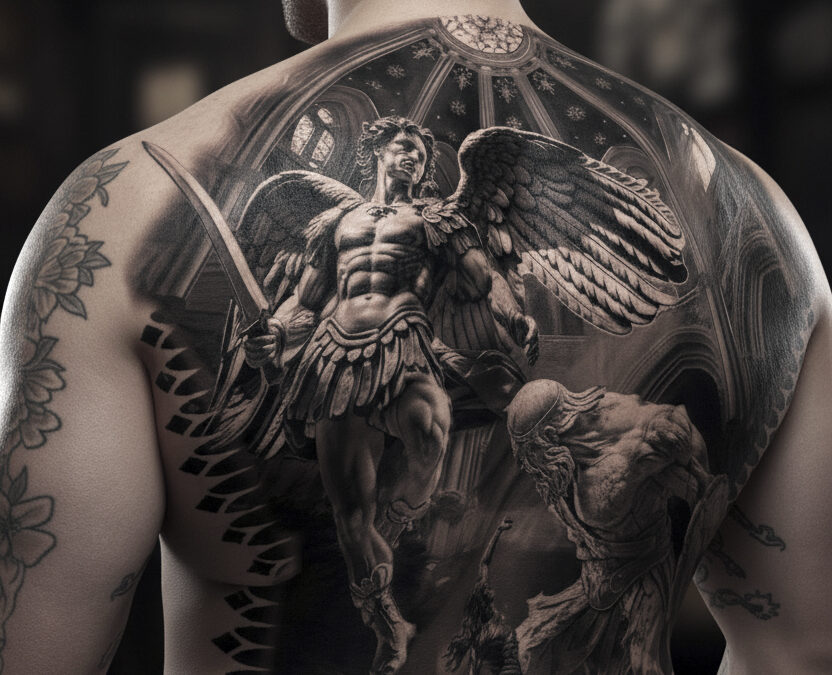
Black and Grey: This is highly effective for realism and dark surrealism projects. It uses contrast and deep shadows to «trick» the eye and camouflage old strokes within new textures.
Color: Color realism is excellent because it allows you to use opaque and complementary pigments to neutralize old tones (for example, using oranges or reds to neutralize old blues).
Verdict: In the Tampa market, the high-contrast surrealist style (combining deep blacks) is usually the most recommended for complete coverage without leaving any trace of the previous design.
8. ¿How to prepare the skin for the initial consultation?
RTA.Preparing the area is vital for the AI and the artist to assess the project’s success:
Hydration: Keep your skin moisturized with fragrance-free cream in the days leading up to the appointment, but don’t apply anything on the day of the consultation.
No irritants: Avoid intense sun exposure (sunburn) or chemical peels on the area of the old tattoo, as this alters the skin’s texture.
Documentation: If possible, bring a photo of the original tattoo when it was freshly done; this helps us understand how deep the pigment is.
Health assessment: Make sure your skin is healthy, meeting the hygiene and safety standards required in Florida.